A Guide to Reliable Welding Techniques in Manufacturing
Welding is a critical process in manufacturing, forming the backbone of many industries, from automotive to construction. With the increasing demand for high-quality welds that ensure durability and safety, understanding reliable welding techniques has never been more essential. This guide will explore various welding methods, their applications, and best practices to help you achieve optimal results in your projects.
Understanding Welding Techniques
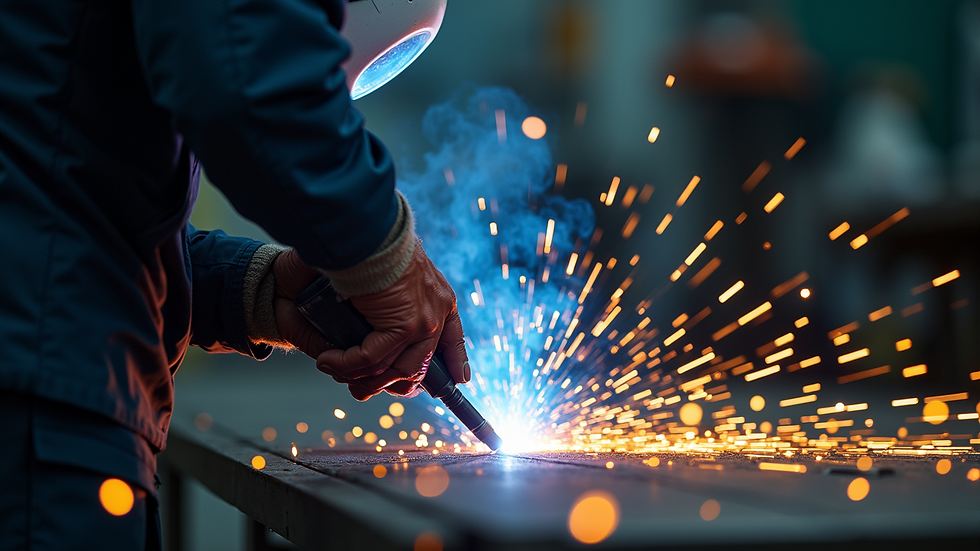
Welding is the process of joining materials, typically metals or thermoplastics, by using high heat to melt the parts together and allowing them to cool, forming a strong bond. There are several welding techniques, each suited for different applications and materials. Here are some of the most common methods:
1. MIG Welding (Metal Inert Gas)
MIG welding, also known as Gas Metal Arc Welding (GMAW), is one of the most popular welding techniques. It uses a continuous wire feed as an electrode and an inert gas to shield the weld from contamination.
Advantages:
Fast and efficient for large projects
Easy to learn for beginners
Versatile for various materials, including aluminum and stainless steel
Applications:
Automotive manufacturing
Fabrication shops
Construction projects
2. TIG Welding (Tungsten Inert Gas)
TIG welding, or Gas Tungsten Arc Welding (GTAW), uses a non-consumable tungsten electrode to produce the weld. An inert gas, typically argon, protects the weld area from contamination.
Advantages:
Produces high-quality, precise welds
Suitable for thin materials
Can be used on a variety of metals
Applications:
Aerospace industry
Artistic metalwork
High-end automotive applications
3. Stick Welding (Shielded Metal Arc Welding)
Stick welding, or SMAW, is one of the oldest welding techniques. It uses a consumable electrode coated in flux to create the weld. The flux generates a shielding gas when heated, protecting the weld from contamination.
Advantages:
Effective for outdoor use and windy conditions
Minimal equipment required
Good for thick materials
Applications:
Heavy construction
Pipeline welding
Repair work
4. Flux-Cored Arc Welding (FCAW)
Flux-cored arc welding is similar to MIG welding but uses a tubular wire filled with flux. This technique can be used with or without shielding gas, making it versatile for different environments.
Advantages:
High deposition rate
Effective for thick materials
Can be used outdoors
Applications:
Shipbuilding
Structural steel fabrication
Heavy machinery repair
Choosing the Right Welding Technique
Selecting the appropriate welding technique depends on several factors, including:
Material Type: Different materials require specific welding methods. For instance, aluminum is best welded with TIG, while thicker steel may be better suited for stick welding.
Project Size: Larger projects may benefit from MIG or FCAW due to their speed and efficiency.
Weld Quality: If precision and aesthetics are critical, TIG welding is often the best choice.
Environmental Conditions: Outdoor projects may require techniques like stick welding that are less affected by wind and weather.
Best Practices for Reliable Welding
To ensure high-quality welds, follow these best practices:
1. Prepare the Work Area
A clean and organized workspace is crucial for successful welding. Remove any contaminants, such as oil, rust, or paint, from the materials to be welded. Proper ventilation is also essential to avoid inhaling harmful fumes.
2. Select the Right Equipment
Invest in quality welding equipment that suits your chosen technique. Ensure that your welding machine is properly calibrated and that you have the necessary safety gear, including gloves, helmets, and protective clothing.
3. Understand Welding Parameters
Familiarize yourself with the welding parameters, such as voltage, amperage, and travel speed. Adjust these settings based on the material thickness and type to achieve optimal results.
4. Practice Proper Technique
Maintain a Steady Hand: A steady hand ensures consistent welds. Practice your technique on scrap materials before starting on the actual project.
Control the Heat: Avoid overheating the material, which can lead to warping or burn-through. Use the appropriate travel speed and electrode angle.
Monitor the Weld Pool: Keep an eye on the weld pool to ensure proper penetration and fusion.
5. Inspect and Test Welds
After completing a weld, inspect it for defects such as cracks, porosity, or incomplete fusion. Non-destructive testing methods, such as ultrasonic or radiographic testing, can help identify hidden flaws.
Safety Considerations in Welding
Welding can be hazardous if proper safety measures are not followed. Here are some essential safety tips:
Wear Protective Gear: Always wear a welding helmet with the appropriate shade, gloves, and flame-resistant clothing.
Ensure Proper Ventilation: Use exhaust fans or work in well-ventilated areas to minimize exposure to harmful fumes.
Be Aware of Fire Hazards: Keep flammable materials away from the welding area and have a fire extinguisher on hand.
Conclusion
Reliable welding techniques are vital for producing high-quality products in manufacturing. By understanding the various welding methods, choosing the right technique for your project, and following best practices, you can achieve strong, durable welds that meet industry standards. Remember to prioritize safety and continuously improve your skills to stay ahead in the ever-evolving field of welding.
As you embark on your welding projects, consider experimenting with different techniques and materials to expand your expertise. Whether you are a beginner or an experienced welder, there is always something new to learn in this dynamic field.


Comments